Decision-stage content
Comparisons, best-of roundups, and destination fit questions that happen before someone chooses a trip.
Editorial planning layer
These guides focus on the planning questions families actually run into before booking: trip shape, hotel strategy, destination fit, and how to keep the pace realistic.
What these guides cover
Comparisons, best-of roundups, and destination fit questions that happen before someone chooses a trip.
How long to stay, when to go, and where to stay guides that make destination pages easier to use.
Each guide points back into the destination guides that can carry the traveler toward planning and booking.
Guide library

Destination round-up
A sharper look at which East Coast weekend trips fit couples, food travelers, beach seekers, and slower city-break planning.

Family beach comparison
A clearer family-travel comparison between Clearwater and Panama City Beach, including pace, convenience, and trip shape.

Stay planning
A practical first-time guide to choosing where to stay in Honolulu based on walkability, beach access, and trip tone.

Family trip planning
A guide to the best family beach trips when you want an easy three-to-five-day escape with the right balance of convenience and activity.

History planning
A practical guide to history-focused weekend trips that still feel like satisfying vacations, not just educational stoplists.

Hybrid trip planning
A practical guide to the best trips when you want a destination that can give you both urban energy and real coastal payoff.

Long weekend planning
A practical guide to choosing the right U.S. Long weekend based on trip style, whether you want food, nightlife, history, beach time, or a low-effort reset.

Family beach strategy
Panama City Beach works best when the trip stays centered on water, breaks, and easy wins instead of a packed activity list.

Area strategy
The best part of Panama City Beach depends on how much of the trip should be beach-only, boardwalk-adjacent, or closer to outing variety.

Theme-park pacing
Orlando gets better when you stop assuming every day needs to be a maximum-output day.

Trip-fit guide
Orlando can support several different vacations, but the trip gets easier once you decide which version you are actually booking.

Island pacing
Oahu gets diluted fast when every day becomes a full-island sampler.

Trip-fit guide
Oahu can support several vacation styles, but the best version depends on which one you are actually prioritizing.

Trip-balance guide
Honolulu works best when you let beach time and city time reinforce each other instead of compete.

Waikiki split guide
Honolulu can be a satisfying Oahu base on its own, but it also tempts you to make the trip an island sampler.

Trip-length guide
Maui gets much better when you stop trying to force Haleakala, Hana, resort time, and west-side beach days into one rushed blur.

Area strategy
The best Maui base depends less on what looks central and more on whether your trip is beach-led, resort-led, or built around reducing drive fatigue.

Island pacing
Maui rewards one smart shift in geography, but it gets annoying fast when every day tries to cover the whole island.

City-break reframing
Philadelphia gets better when history becomes texture for the trip rather than the only purpose of it.

Dual-focus planning
Philadelphia is strongest when food and history work together instead of competing for time.

Trip-shape guide
Myrtle Beach works best when the boardwalk is part of the trip, not the only idea the trip has.

Area strategy
Where you stay in Myrtle Beach matters because different parts of the Grand Strand create different family rhythms.

Reset planning
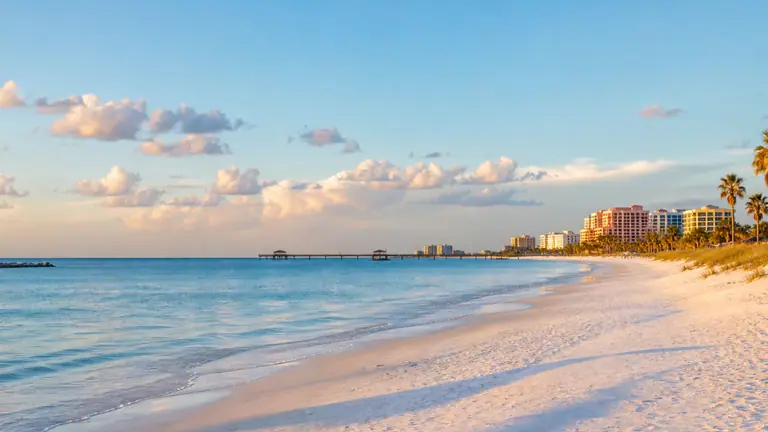
Clearwater is strongest when the trip really behaves like a beach reset and not a frantic Florida sampler.
Trip-balance guide
Some Clearwater trips are better when they stay simple. Others improve with a little more St. Pete-Clearwater range.

Beach-trip simplifier
Ocean City works best when the plan respects how repetitive beach trips are supposed to feel.

Trip-balance guide
Ocean City feels different depending on whether your real draw is the boardwalk loop, the sand itself, or a lighter bay-side rhythm.

Geography guide
Atlanta gets stronger when you cluster the trip by neighborhood energy rather than trying to cover the whole metro map.

Trip-fit guide
Atlanta supports several kinds of weekend, but it gets better once you stop blending all of them together.

Underrated trip case
Norfolk is not a maximalist city break, but that is part of why it can work so well for the right traveler.

Waterfront base guide
Where you stay in Norfolk changes whether the weekend feels more urban, more regional, or simply more convenient.

History-trip reframing
Williamsburg gets better when history stays central but the pace stays humane.

Stay strategy
The right Williamsburg base depends on whether you want the historic district doing most of the work or a broader, softer family setup.

Walking-city strategy
Boston works especially well when the trip is built around neighborhood walking and not just the headline history loop.

Beyond-the-obvious guide
The Freedom Trail matters, but Boston becomes much more interesting once it stops being the whole storyline.

Trip planning basics
DC gets better when the trip length matches how much museum time, monument walking, and neighborhood breathing room you actually want.

City-break reframing
Washington, DC gets much better when history becomes the setting for the trip instead of the entire burden of it.

Area strategy
The best part of Washington, DC depends on whether you want monuments first, neighborhood atmosphere, or a more polished waterfront base.

Trip planning basics
Gatlinburg gets much better when the trip length matches how much downtown time, overlook scenery, and park access you actually want without turning the stay into nonstop motion.

Trip-shape guide
Gatlinburg gets much better when each day stays in one lane, the Parkway gets used intentionally, and the scenic hours are protected for the places closest to town.

Area strategy
The best part of Gatlinburg depends on whether you want walkable nights, creekside convenience, easier parking, or a calmer perch above the Parkway.

District strategy
San Francisco gets much better when you stop treating every famous neighborhood as if it belongs in the same day.

Area strategy
The right San Francisco base decides whether the city feels easy to slip into or just a little more effortful than it should.

Trip-fit guide
San Francisco can support several excellent trips, but it rarely rewards trying to prioritize every good version of the city equally.

Trip-balance guide
San Diego can be a sharper city break, a softer coastal reset, or a mix of both depending on what you want the trip to do.

Area strategy
San Diego gets much easier once one zone is allowed to shape the trip instead of every neighborhood competing equally.

Trip-fit guide
San Diego can support several excellent vacations, but the trip gets better once you name which version you actually want.

City-break reframing
San Antonio gets better when the River Walk stays important without becoming the entire trip.

Balanced planning
San Antonio is at its best when Tex-Mex, mission history, and the city's gentler pace all get space in the itinerary.

Trip length guide
Dallas needs three days to feel like a city break rather than a sequence of rideshares, and four if museums, barbecue, and one slower neighborhood day all matter.

Geography guide
Dallas improves fast when each day belongs to one part of town and the itinerary stops making museum, barbecue, and dinner commute against one another.

Area strategy
The right Dallas base depends on whether history and museums, polished dinners, or neighborhood texture should do the most work on the stay.

Desert pacing
Phoenix rewards travelers who use the cool hours well, pair nearby neighborhoods, and stop treating the midday sun as an itinerary challenge.

Stay strategy
The best Phoenix base depends on whether you want museums and walkable evenings, central access to the Valley, or a hotel that carries part of the vacation.

Trip length guide
A practical guide to choosing two, three, or four days in Phoenix, with honest advice about desert timing, museum days, and what to leave out.

Trip length guide
A practical answer on two, three, or four days in Memphis, with room for Civil Rights history, music landmarks, barbecue, and a night that does not have to happen on Beale Street.

Stay strategy
The honest first-timer guide to Memphis hotel areas, including when downtown’s convenience wins, when Midtown gives you a better evening, and when Graceland should be the whole point.

First-time itinerary guide
A clear three-day Memphis plan that gives Civil Rights history, Sun, Stax, Graceland, barbecue, and live music the right amount of room, and refuses to flatten them into the same tourist checklist.

Trip length guide
Three days is Asheville’s useful minimum. Here is how to give the mountains, Biltmore, food, and downtown enough room without turning the weekend into a car ride.

Stay strategy
Downtown is best for a first short trip, Montford is calmer, and Grove Park is for travelers who want the hotel to be part of the vacation. Here is how to choose without buying the wrong kind of convenience.

First-time itinerary guide
A three-day Asheville plan that pairs Biltmore, the Blue Ridge Parkway, good meals, and the River Arts District without letting weather or driving turn the weekend into a list of missed turns.
Niagara Falls trip planning
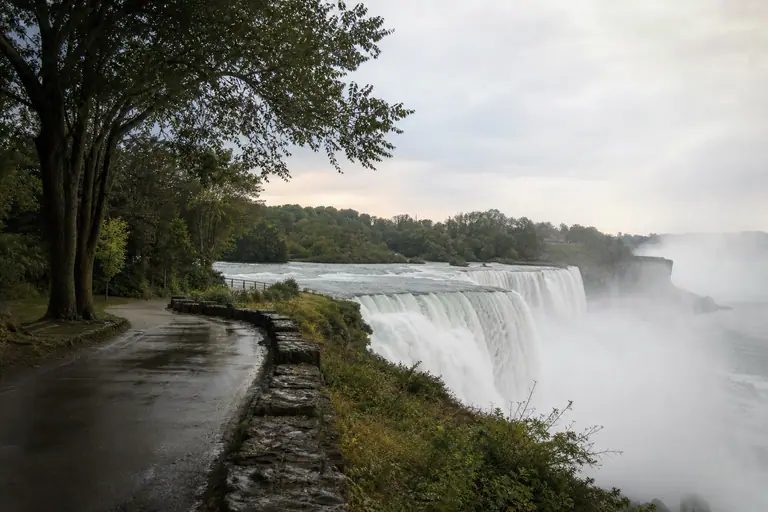
Two nights work for the falls. Three days give the river, Goat Island, and the Niagara Escarpment enough room to feel like a trip rather than a wet checklist.

Niagara Falls stays
Stay beside the park if the falls are the trip. Choose the casino district for amenities, or Lewiston only when the waterfall rush is not the entire point.

Niagara Falls weekend plan
A two-night Niagara Falls plan that treats the boat, the cave, Goat Island, and one north-country detour as different experiences instead of wet versions of the same stop.

Trip length guide
Three nights is the sweet spot for a first Bar Harbor trip. It gives Acadia two real days and keeps the island from becoming a parking-and-checklist exercise.

First-time itinerary guide
A three-day Bar Harbor plan that puts Acadia’s coast first, saves pond country for a second day, and leaves enough empty space for weather, parking, and dinner to behave like real life.

Stay strategy
Stay downtown if dinner walks and harbor evenings are part of the trip. Stay near Hulls Cove if parking, pools, and early park starts matter more than a pretty walk home.

Trip length guide
Three days is the sweet spot for Fort Lauderdale: enough beach time, one water-and-city day, and an Everglades option without turning the stay into a series of rideshares.

Stay strategy
Stay at the beach for a real sand-first break, Las Olas for restaurants and river walks, and downtown for a modern city weekend. Here is the tradeoff that actually changes the trip.

First-time itinerary guide
A first-time Fort Lauderdale plan that gives the beach, Las Olas, waterways, and Everglades enough room without letting heat, traffic, or a full restaurant list run the weekend.

Trip-length guide
Two nights can work for the fort and old streets. Three days is the honest answer if you also want Anastasia Island, a real meal, and time to stop treating every brick building as an appointment.

Where to stay guide
Stay in the historic district for dinner walks and the fort at your door. Stay near the beach only if the ocean is a daily plan, not just a nice idea on the booking screen.

First-time itinerary guide
A first-time St. Augustine itinerary that gives the fort, old town, Lincolnville, and Anastasia Island enough space without treating a historic city like a theme-park queue.

Trip-length guide
Three nights is enough for sand, bikes, and a proper Lowcountry meal. Four or five days is where Hilton Head stops feeling like a resort booking and starts feeling like an island.

Where to stay guide
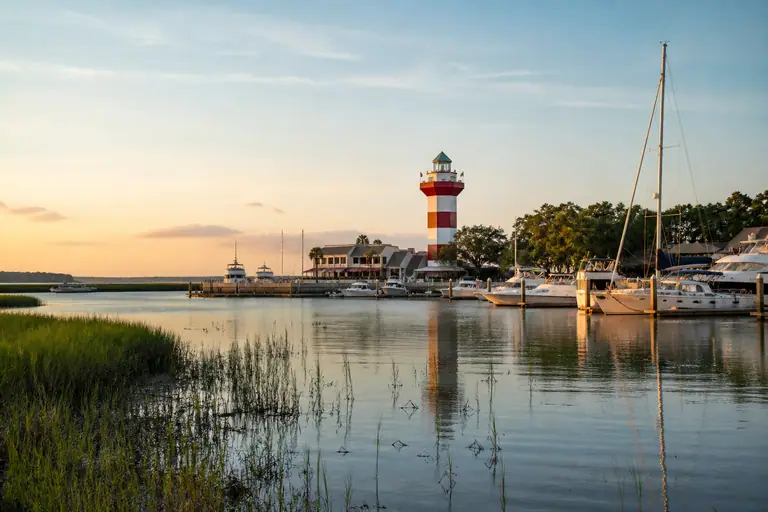
Choose the South End for public-beach ease, Sea Pines for a polished Harbour Town stay, and mid-island when you want more room to move. The wrong hotel zone can turn a simple island trip into a gate-and-parking routine.
First-time itinerary guide
A four-day Hilton Head plan for beach time, Harbour Town, Lowcountry history, and a waterfront meal, without spending the better part of your vacation rearranging reservations.
Trip-length guide
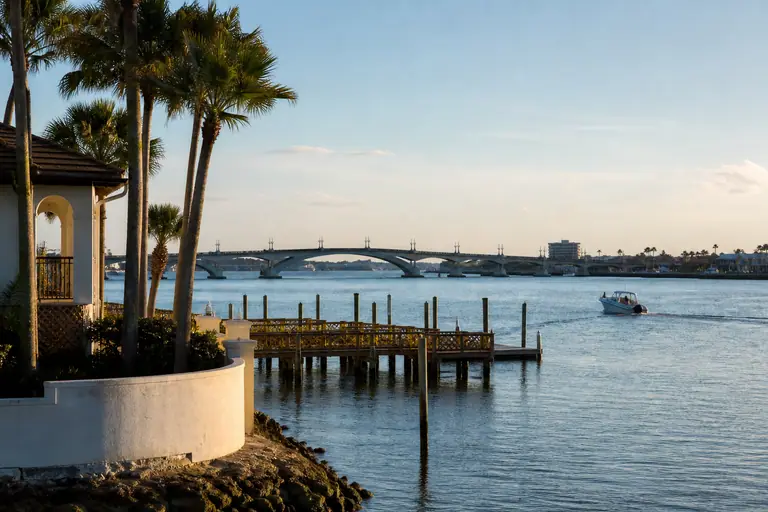
Two nights can cover the beach and a good dinner. Three full days is the honest answer if you also want the speedway, Ponce Inlet, or the quieter parts of Volusia County.

Stay strategy
Beachside is the right base for first-time ocean time and evening energy. Choose Ponce Inlet for a calmer resort rhythm, or Ormond when you want Old Florida and less boardwalk noise.
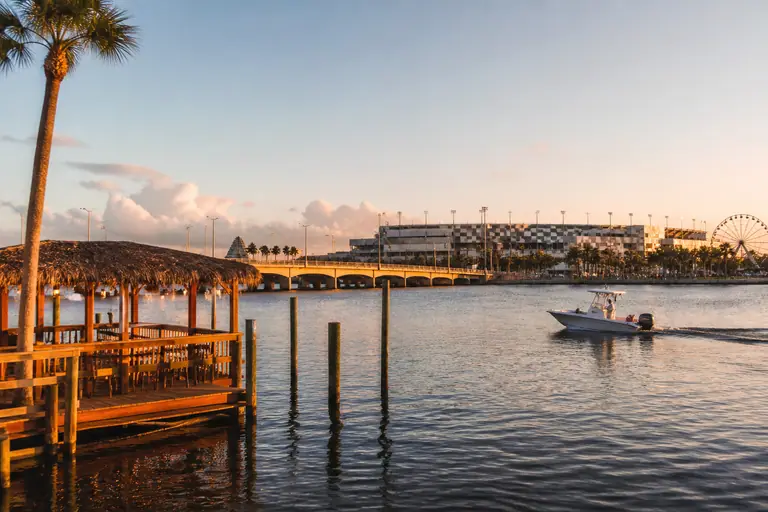
First-time itinerary guide
A first Daytona Beach weekend should be beach-led, with one speedway or riverfront day and a Ponce Inlet or dunes finish. The real skill is leaving the afternoon loose enough to stay pleasant.

Trip length guide
Three days is Salt Lake City’s sweet spot: one for the city, one for the foothills, and one for the Great Salt Lake or a deeper museum-and-neighborhood day.

Stay strategy
Stay downtown for a first short visit, choose Central Ninth for food and a more local evening, and book the Avenues only if quiet residential character matters more than immediate hotel convenience.

Weekend plan
Give one day to the city and one day to a single mountain or lake outing. Salt Lake City works when you respect the distance between its polished core and its wild edges.

Minneapolis planning
A Minneapolis long weekend works when the river, a serious museum day, and a lake or neighborhood day each get their own lane.

Minneapolis planning
North Loop is the easiest food-forward base, downtown wins for first-timer logistics, and Uptown only fits when the lakes are central to the trip.

Minneapolis planning
The best Minneapolis itinerary groups the river and Northeast, museums and downtown, or lakes and south Minneapolis instead of trying to sample all three.

Indianapolis planning
Use three Indianapolis days for downtown and White River State Park, Mass Ave and Fountain Square, then Speedway, Newfields, or the Children's Museum.

Indianapolis planning
Downtown is simplest for first-timer logistics, Mass Ave makes evenings much better, and Fountain Square suits a food-and-music-first stay.

Indianapolis planning
Indianapolis works when downtown, Mass Ave and Fountain Square, Speedway, and Newfields each get their own lane instead of becoming quick detours.

Louisville planning
If you are planning Louisville, this is the kind of advice I would give a friend who wanted the practical answer before booking anything.

Louisville planning
If you are choosing where to stay in Louisville for the first time, here is how I would narrow it down and what each area feels like in real life.

Louisville planning
If you are planning Louisville, this is the kind of advice I would give a friend who wanted the practical answer before booking anything.

Colorado Springs planning
A realistic first-trip length for Colorado Springs, with a day-by-day way to keep red rocks, mountain weather, and city time from colliding.

Colorado Springs planning
Choose the Colorado Springs base that matches your evenings, mountain priorities, and appetite for driving.

Colorado Springs planning
A weather-aware Colorado Springs plan for fitting the region’s two headline landscapes into one calm long weekend.

Area strategy
Choose Henderson Beach for beach-first days, the harbor for boats, or Sandestin for a self-contained resort rhythm.

Trip length
Three days covers the essentials; four or five adds a boat day and weather buffer without rationing beach time.