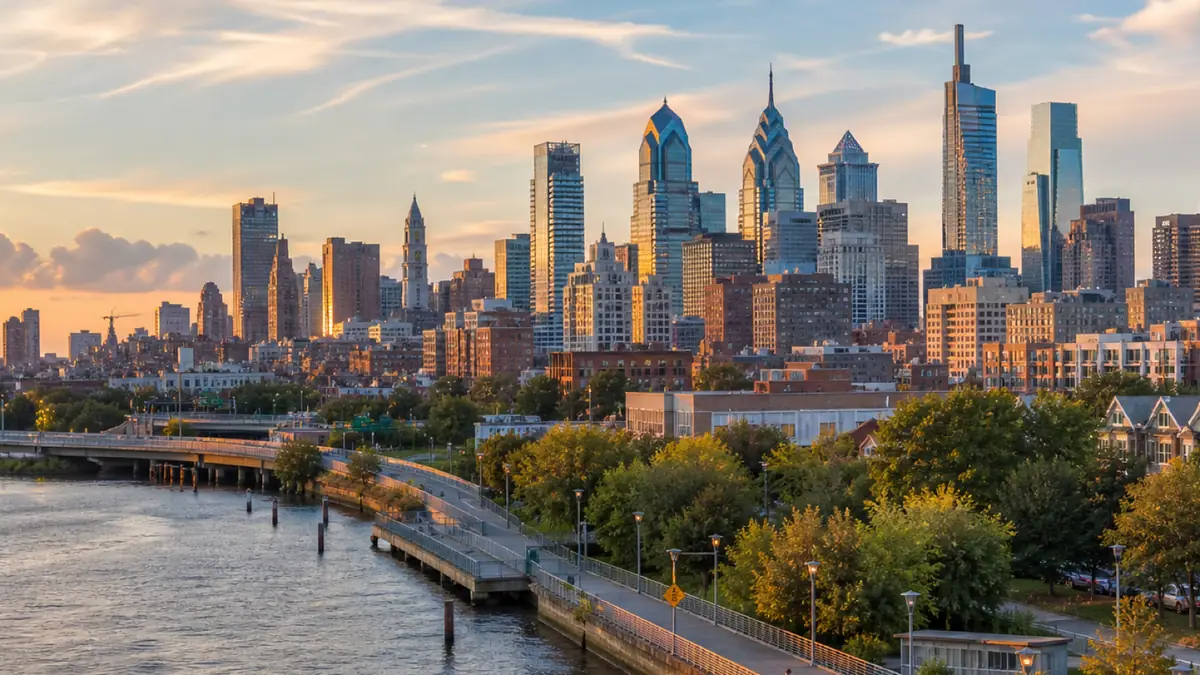
Philadelphia gets better when history becomes texture for the trip rather than the only purpose of it.
Quick read
Key takeaways
- Philadelphia is strongest when history stays part of the setting, not the whole burden of the itinerary.
- The trip starts to feel flatter when you reduce it to only national-history landmarks and ignore the city's neighborhood texture.
- A little atmosphere, food, and neighborhood texture makes the city much easier to love.
- When it clicks, Philadelphia feels grounded, satisfying, and easier to love than its reputation suggests.
Turn this read into a trip
Start planning Philadelphia
If this guide is pointing you toward Philadelphia, jump into the destination guide for itinerary ideas, stays, restaurants, and a faster next step.
Plan with fewer surprises
Practical notes from the related destination guide
Use these guide details to shape the trip, then confirm operational information with the linked official source before you go.
Philadelphia
Typical stay: 2 to 4 days · Getting around: walkable
- Choose an Old City, Parkway, or neighborhood day rather than crisscrossing the city.
- Reserve high-demand restaurants and timed historic sites on weekends.
Guide note: Fly into PHL and stay fairly central; this visit usually works best with walking, short rideshares, and only occasional transit or parking decisions.
Official Eastern State Penitentiary informationOpen the Philadelphia guideWhere to go next
Open the destination guides behind this guide.
Use the full destination pages when you are ready to move from advice into actual trip shaping.
Why this kind of trip can go wrong
Philadelphia is easier when one part of the trip leads. Philadelphia gets better after lunch, once you move past the most obvious monuments.
The trip starts to feel flatter when you reduce it to only national-history landmarks and ignore the city's neighborhood texture. 2 to 4 days is the range where Philadelphia stops feeling skimmed and starts feeling like a real stay.
The problem is not history itself. It is building the trip in a way that makes history feel like a task instead of a setting.
A plan can look full and still feel disappointingly thin once you're in it. Here, the fix is to drop the plan that stays in lecture mode before you start messing with the version where history and eating help each other.
- Plan for appetite, not just significance. I would keep the version where history and eating help each other and cut the plan that stays in lecture mode first.
If you only keep one idea from this guide
Pick one main thing in Philadelphia and build around it. Philadelphia gets better after lunch, once you move past the most obvious monuments.
If you are torn, give the prime hours to Eastern State Penitentiary, build the meal around Reading Terminal Market Lunch, and let Fork stay optional unless the first part of the day still feels strong.
- Best for travelers who want city breaks and food without a lot of friction.
- Wrong for travelers who want every hour turned all the way up.
- Protect this first. Philadelphia gets better after lunch, once you move past the most obvious monuments.
- A smarter city day shape is simple. Start with Eastern State Penitentiary, eat around Reading Terminal Market Lunch, and only then decide whether Fork has earned the second move.
- Editor's call is simple. Keep the version where history and eating help each other. Cut the plan that stays in lecture mode first.
Quick city planner
In Philadelphia, let Eastern State Penitentiary take the lead, give Reading Terminal Market Lunch the meal window, and resist adding more just because the map makes it look possible.
- The best first move is simple. Start with Eastern State Penitentiary.
- The best reset move is simple. Leave room for a real meal around Reading Terminal Market Lunch.
- Do not force the second move if the first one already made the day.
- Watch for this first. History stops feeling like setting and starts feeling like obligation.
- A better reset is simple. Philadelphia gets better after lunch, once you move past the most obvious monuments.
What actually changes once you are there
Eastern State Penitentiary and Independence National Historical Park are a bad same-block combo unless the whole day is built around them.
The stronger move is to start with Eastern State Penitentiary, put the meal somewhere with a real sense of place like Reading Terminal Market Lunch and Fork, and only then adds Independence National Historical Park if there is still energy for it.
One local friction point worth planning around is simple. History stops feeling like setting and starts feeling like obligation. The better rule here is Philadelphia gets better after lunch, once you move past the most obvious monuments.
- If one signature anchor gets the real block, make it Eastern State Penitentiary.
- Use one strong cluster of places instead of trying to sample the whole destination evenly.
- Fly into PHL and stay fairly central; this visit is easiest with walking, short rideshares, and only occasional transit or parking decisions
What starts mattering once the trip is real
A lot depends on whether history stops feeling like setting and starts feeling like obligation. That is easy to miss when you book and hard to ignore once you are there.
People realize too late that people under-book the food and over-book the landmarks. The day works better if you remember this instead. Philadelphia gets better after lunch, once you move past the most obvious monuments.
The city opens up faster in markets and restaurant neighborhoods than it does in lecture mode sightseeing. The trip feels lighter once it stops trying to teach you something every hour. Plan for appetite, not just significance.
- The first-timer mistake is people under-book the food and over-book the landmarks.
- Philadelphia gets better after lunch, once you move past the most obvious monuments.
- The trip feels lighter once it stops trying to teach you something every hour.
- Plan for appetite, not just significance.
The mistake people regret fastest
The regret is underbooking the food and overbooking the civic duty. In Philadelphia, the faster test is whether you are building the version where history and eating help each other or the plan that stays in lecture mode.
Plan for appetite, not just significance. Philadelphia gets better after the landmark layer loosens.
If you have to keep talking yourself into a version of it, it is rarely the keeper. A plan can look full and still feel disappointingly thin once you're in it.
Here, the fix is to drop the plan that stays in lecture mode before you start messing with the version where history and eating help each other.
- The regret is underbooking the food and overbooking the civic duty.
- Skip the plan that stays in lecture mode.
- Keep the version where history and eating help each other at the center of the trip.
How to make the place feel lived in
A better version of Philadelphia lets one or two anchor sites matter, but it also leaves room for walking, food, side streets, and the atmospheric parts of Philadelphia that make the story feel human.
That shift changes the whole mood of the weekend.
A smarter Philadelphia-style day starts with one anchor, then loosens. Once the city has shown you one museum, market, or historic corridor, let the next decision come from appetite or neighborhood curiosity rather than obligation.
On a short trip, ease beats prestige. That means letting the version where history and eating help each other run the day instead of apologizing for it. You can tell by late afternoon whether the plan was honest.
What the fresher version delivers
You still get the value of the place, but the trip starts feeling like a getaway with character instead of a worthy obligation.
April to June and September to November is the cleanest window for getting Philadelphia in the form people actually picture when they book it.
What keeps the city feeling like a real getaway
The trick is giving yourself permission to stop proving that you learned enough. One thoughtful museum, one market or neighborhood stretch, and one dinner you are genuinely looking forward to will do more for the trip than stacking every famous site in sequence.
First-time visitors are often surprised by how much more enjoyable the city becomes once atmosphere, snacks, and conversation are allowed to share the spotlight with the official history.
- Treat one signature sight as the anchor, not the whole personality of the day.
- Use walking neighborhoods to transition between the serious parts and the fun parts of the trip.
- A shorter, more varied day is often better here than a longer, more dutiful one.
What repeat visitors figure out faster
The city often lands hardest once food, markets, and history stop competing and start reinforcing each other.
A surprising amount of trip frustration traces back to letting national-history homework flatten the rest of the city.
- Skip treating the historic center like the whole point of the trip and ignoring neighborhood food. If it pulls the trip off center.
- If you upgrade one thing, make it using the budget on one great meal or centrally walkable stay rather than a longer attraction checklist.
- Philadelphia is best when you can walk back into the day instead of re-solving transit each time.
What to skip, what is overrated, and what is worth planning ahead
A lot of people book a version of Philadelphia that sounds full and still feels strangely thin in real life.
The stronger move is to cut the pieces that do not support the reason you picked Philadelphia in the first place.
- Skip treating the historic center like the whole point of the trip and ignoring neighborhood food.
- Treating the historic center like the whole point of the trip and ignoring neighborhood food.
- If you book one thing early, make it one great meal or centrally walkable stay rather than a longer attraction checklist.
- Leave room for the block that should absorb mood, weather, recovery, or the better-than-expected neighborhood moment.
- For a first night, one easy arrival move that reinforces the city's rhythm instead of testing your stamina.
Keep planning
Read How to Plan Philadelphia for Both Food and History
This guide pairs well with the section you just read and gives you another concrete next step instead of leaving the planning half-finished.
Open related guideWhat people get wrong
The most common mistake is trying to make every good idea fit into the same trip. That produces a version of Philadelphia that is busier, flatter, and less personal than it needs to be.
The better trip comes from choosing what deserves real emphasis and letting the rest support it instead of compete with it.
- Do not turn optional ideas into obligations just because they look good on a list.
- Let one clear priority shape the best hours of the day.
- If the itinerary starts reading like proof of effort, simplify it.