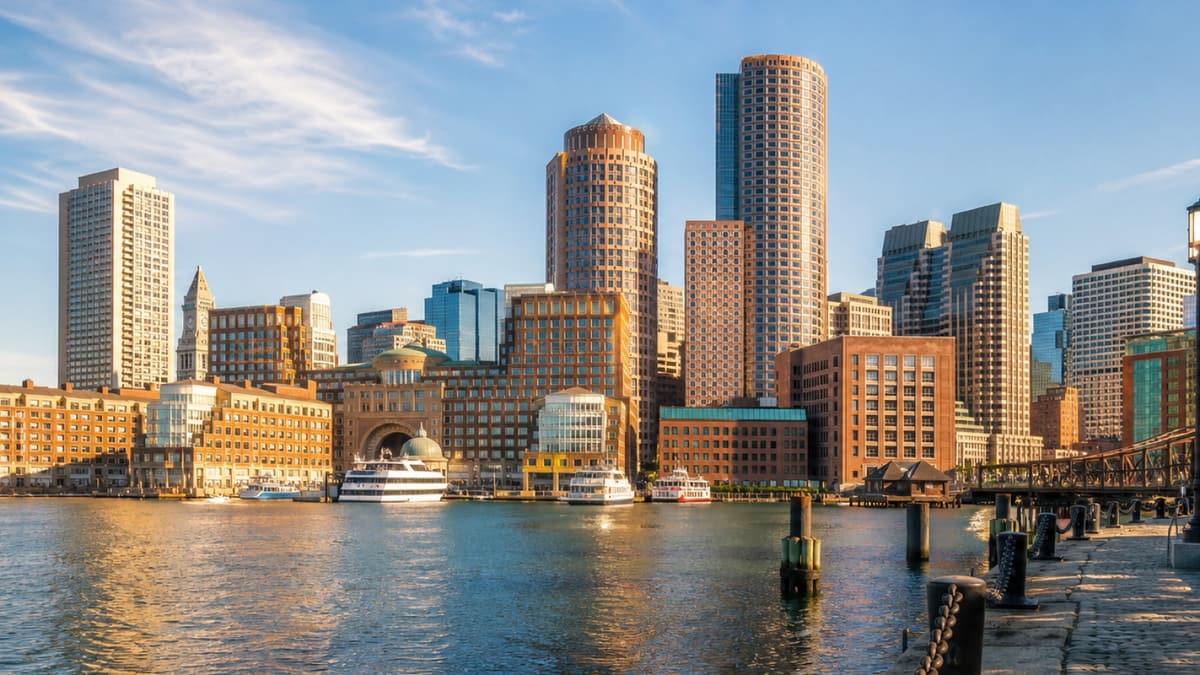
Boston works especially well when the trip is built around neighborhood walking and not just the headline history loop.
Quick read
Key takeaways
- The best weekend in Boston comes down to neighborhood feel more than attraction count.
- Let one part of the city set the tone instead of making every district compete for attention.
- Boston shines through walkable neighborhoods, layered history, waterfront movement, and meals that fit neatly into the day.
- When it clicks, Boston feels crisp, navigable, and full without being overwhelming.
Turn this read into a trip
Start planning Boston
If this guide is pointing you toward Boston, jump into the destination guide for itinerary ideas, stays, restaurants, and a faster next step.
Where to go next
Open the destination guides behind this guide.
Use the full destination pages when you are ready to move from advice into actual trip shaping.
Why neighborhood mood matters more than itinerary bragging rights
Boston works better when you stop asking every good idea to matter equally. Boston gets better when the second half of the day belongs to neighborhoods or the water.
3 to 4 days is the range where Boston stops feeling skimmed and starts feeling like a real stay. In cities like Boston, the mood of the weekend matters more than how many landmarks fit on a map.
Downtown & Beacon Hill and Back Bay & Newbury Street should not feel interchangeable because they change the tone of the day in completely different ways.
This sounds right on paper and still ends up being the wrong call for a lot of people. Here, the plan that lets walking and atmosphere soften the history should survive the edit before the version stuck in educational mode does.
- Do not let the Freedom Trail bully the whole weekend. The plan that lets walking and atmosphere soften the history holds up better in real life.
Next step
Open the full Boston destination guide
If this section is helping you narrow the trip, the destination guide is where you can compare stays, shape the itinerary, and turn the advice into an actual plan.
If you only keep one idea from this guide
Pick one main thing in Boston and build around it. Boston gets better when the second half of the day belongs to neighborhoods or the water.
If you are torn, give the prime hours to Back Bay Walk, build the meal around Giacomo's Ristorante, and let Back Bay & Newbury Street stay optional unless the first part of the day still feels strong.
- Choose this if travelers who want city breaks and history without a lot of friction.
- Skip this if travelers who only like trips at full volume.
- Do not give up on this. Boston gets better when the second half of the day belongs to neighborhoods or the water.
- A smarter city day shape is simple. Start with Back Bay Walk, eat around Giacomo's Ristorante, and only then decide whether Back Bay & Newbury Street has earned the second move.
- Editor's call is simple. Keep the plan that lets walking and atmosphere soften the history. Cut the version stuck in educational mode first.
Quick city planner
In Boston, let Back Bay Walk take the lead, give Giacomo's Ristorante the meal window, and resist adding more just because the map makes it look possible.
- The best first move is simple. Start with Back Bay Walk.
- The best reset move is simple. Leave room for a real meal around Giacomo's Ristorante.
- Do not force the second move if the first one already made the day.
- Watch for this first. The history starts crowding out the rest of the city.
- A better reset is simple. Boston gets better when the second half of the day belongs to neighborhoods or the water.
What shifts once the trip is actually happening
Downtown & Beacon Hill, Back Bay & Newbury Street, and North End & Waterfront do different jobs. Boston gets cleaner once you stop asking all of them to share the same day evenly.
A better day gives Back Bay Walk the prime hours, lets lunch or dinner revolve around Giacomo's Ristorante and James Hook & Co., and Boston Tea Party and Harborwalk stays optional instead of mandatory.
The part people underestimate is usually this. The history starts crowding out the rest of the city. Plan around that first, then let the rest follow. Boston gets better when the second half of the day belongs to neighborhoods or the water.
- If one stop gets the real block of time, let it be Back Bay Walk.
- Downtown & Beacon Hill and Back Bay & Newbury Street both deserve attention, but usually not in the same rushed half-day.
- Fly into BOS and stay fairly central; this trip is easiest with walking, short rideshares, and only occasional transit or parking decisions
What starts mattering once the trip is real
Trips here usually get shakier when the history starts crowding out the rest of the city. People rarely picture that part while booking, but it decides whether it feels smooth or irritating.
First-timers usually notice too late that people overestimate how much the Freedom Trail should dominate the trip. The practical rule on the ground is Boston gets better when the second half of the day belongs to neighborhoods or the water.
The more walking is the default, the more natural the city feels. The city stops feeling instructional once the day relaxes a little. Do not let the Freedom Trail bully the whole weekend.
- The first-timer mistake is people overestimate how much the Freedom Trail should dominate the trip.
- Boston gets better when the second half of the day belongs to neighborhoods or the water.
- The city stops feeling instructional once the day relaxes a little.
- Do not let the Freedom Trail bully the whole weekend.
The mistake people regret fastest
The regret is usually treating the city like an assignment instead of a trip. In Boston, the faster test is whether you are building the plan that lets walking and atmosphere soften the history or the version stuck in educational mode.
Do not let the Freedom Trail bully the whole weekend. Boston improves once history shares space with neighborhoods and water.
The plan that needs the biggest explanation is usually the one to cut first. This sounds right on paper and still ends up being the wrong call for a lot of people.
Here, the plan that lets walking and atmosphere soften the history should survive the edit before the version stuck in educational mode does.
- The regret is usually treating the city like an assignment instead of a trip.
- Skip the version stuck in educational mode.
- Keep the plan that lets walking and atmosphere soften the history at the center of the trip.
How to pick your city mood
Some travelers want a weekend that feels classic, walkable, and polished. Others want something scrappier, more local, or more food-led.
Once you choose that mood, the right neighborhoods, meals, and hotel strategy become much easier to see. Meals hit harder here when you build them around places like Giacomo's Ristorante or James Hook & Co.
Instead of eating wherever the schedule collapses. Do not ping-pong between Downtown & Beacon Hill and Back Bay & Newbury Street just because both look good on the map. Pick the side that matches the day and stop trying to keep the other one alive.
If you try to force Back Bay Walk, Downtown & Beacon Hill, and Back Bay & Newbury Street into the same loose block, you will mostly remember the transitions.
That choice affects more than aesthetics. It shapes how much walking feels pleasant, whether dinner needs to be tightly scheduled, and how often you can let a good street or bar or waterfront stretch become the plan on its own.
The wrong fit here is usually travelers who want every hour turned all the way up. Downtown & Beacon Hill and Back Bay & Newbury Street should not feel interchangeable because they change the tone of the day in completely different ways.
With limited time, I would take the easier version over the more impressive one. In real life, the plan that lets walking and atmosphere soften the history is usually the plan that still holds up. You can usually tell by late afternoon whether the plan was honest.
The payoff of choosing a mood on purpose
The weekend feels more coherent, and the city starts reinforcing itself instead of competing with itself.
May to October is the cleanest window for getting Boston in the form people actually picture when they book it.
How to build a day around the neighborhood
Once you know the part of the city that fits you, let it do more work. The best version of this kind of weekend often has one anchor sight, one meal you care about, and then enough unclaimed time for the neighborhood itself to become the memory.
Meals hit harder here when you build them around places like Giacomo's Ristorante or James Hook & Co. Instead of eating wherever the schedule collapses.
That is also why repeat visitors enjoy these cities more than first-timers who try to prove they covered enough ground. Downtown & Beacon Hill and Back Bay & Newbury Street should not feel interchangeable because they change the tone of the day in completely different ways.
- Visit your chosen neighborhood at the time of day that best suits it, not only when it is geographically convenient.
- Do not ping-pong between Downtown & Beacon Hill and Back Bay & Newbury Street just because both look good on the map. Once one side is clearly the better fit, stop splitting the difference.
- Pick a hotel and dinner plan that let you come back to the same area after a midday detour if you want to.
What repeat visitors figure out faster
The city feels bigger and better once you stop treating it like a purely educational weekend.
The thinner version usually begins with letting the history layer crowd out the neighborhoods and water.
- Skip treating the Freedom Trail like it needs to carry every major decision. If it pulls the trip off center.
- If you upgrade one thing, make it using the budget on a walkable base or one strong meal district that deepens the stay.
- Boston improves when walking is the default rather than a bonus.
What to skip, what is overrated, and what is worth planning ahead
Boston can look great on paper and still land flat once you are actually in it.
The fix is usually subtraction. Cut the parts that do not really serve the reason you picked Boston in the first place.
- Skip treating the Freedom Trail like it needs to carry every major decision.
- Treating the Freedom Trail like it needs to carry every major decision.
- If you book one thing early, make it a walkable base or one strong meal district that deepens the stay.
- Leave room for the block that should absorb mood, weather, recovery, or the better-than-expected neighborhood moment.
- For a first night, one easy arrival move that reinforces the city's rhythm instead of testing your stamina.
Keep planning
Read How to Make Boston Feel Bigger Than the Freedom Trail
This guide pairs well with the section you just read and gives you another concrete next step instead of leaving the planning half-finished.
What people usually get wrong
The most common mistake is trying to make every good idea fit into the same trip. That usually produces a version of Boston that is busier, flatter, and less personal than it needs to be.
The better trip usually comes from choosing what deserves real emphasis and letting the rest support it instead of compete with it.
- Do not turn optional ideas into obligations just because they look good on a list.
- Let one clear priority shape the best hours of the day.
- If the itinerary starts reading like proof of effort, simplify it.