Decision-stage content
Comparisons, best-of roundups, and destination fit questions that happen before someone chooses a trip.
Editorial planning layer
These guides help travelers compare nightlife cities, long weekends, and stay strategy so the trip still works in daylight and after dark.
What these guides cover
Comparisons, best-of roundups, and destination fit questions that happen before someone chooses a trip.
How long to stay, when to go, and where to stay guides that make destination pages easier to use.
Each guide points back into the destination guides that can carry the traveler toward planning and booking.
Guide library
Seasonal planning
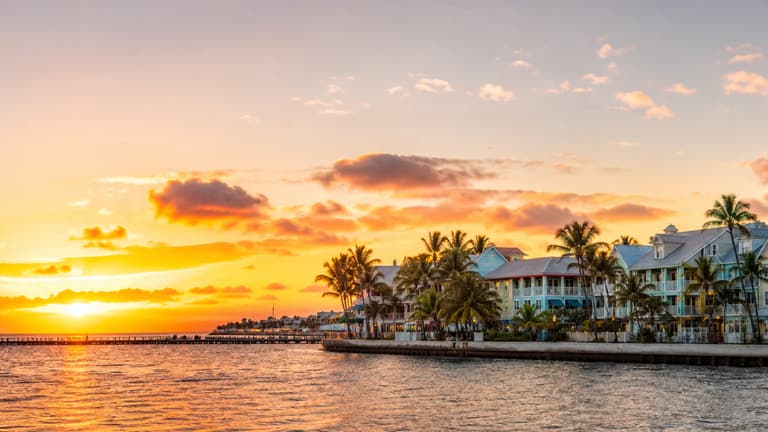
A realistic guide to when Key West feels best depending on weather, crowds, and the kind of trip you want.

Destination round-up
A sharper look at which East Coast weekend trips fit couples, food travelers, beach seekers, and slower city-break planning.

Food-first planning
A practical guide to the best U.S. Weekend trips when meals, neighborhoods, and one or two standout dinners are the whole point.
Nightlife planning
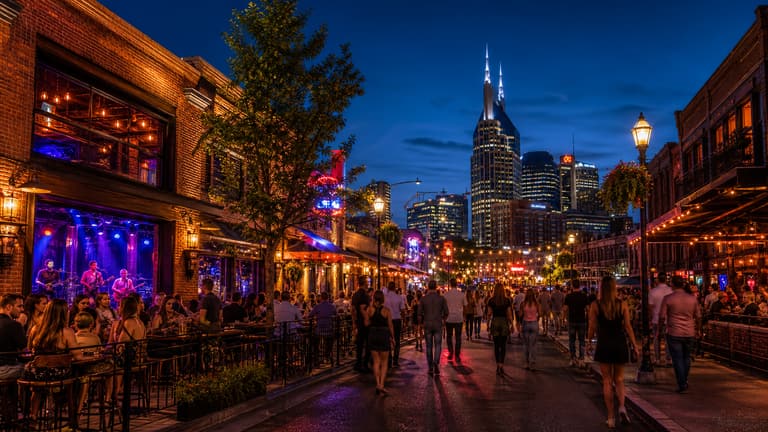
A practical guide to the best quick trips when bars, live music, late dinners, and after-dark energy matter to the whole destination choice.
Long weekend planning
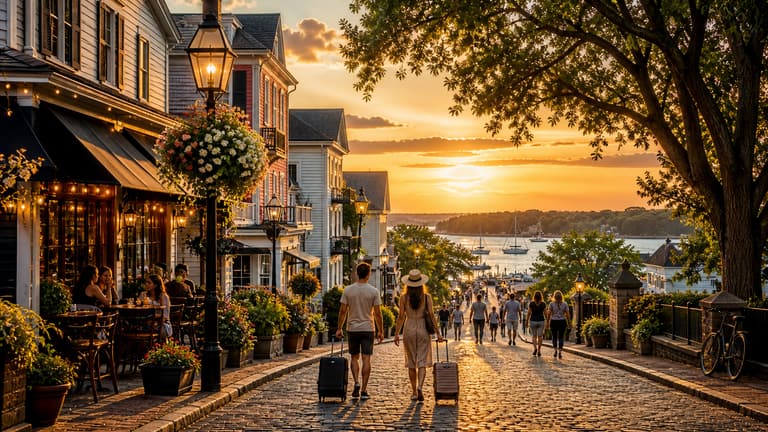
A practical guide to choosing the right U.S. Long weekend based on trip style, whether you want food, nightlife, history, beach time, or a low-effort reset.

Neighborhood planning
The best New York City weekend is not one universal itinerary. It depends on whether you want polished energy, classic landmarks, downtown momentum, or neighborhood drift.

Big-city pacing
You do not need to conquer New York City to have a good trip. You need a structure that leaves room for the city to still feel alive.

District strategy
Los Angeles gets better when you plan by zones and repeated moods instead of pretending the whole city is one compact destination.

Trip-balance guide
The best Los Angeles trip depends on whether you want neighborhood culture, beach relief, or a deliberate blend of both.

Vegas pacing guide
Las Vegas works best when you pace the excess instead of trying to live at maximum volume from arrival onward.

Value and splurge
Some Vegas upgrades change the whole feel of the trip. Others just look expensive on paper.

Neighborhood planning
Chicago can feel architectural, neighborhood-rich, lakefront-easy, or restaurant-first depending on how you shape the stay.

Weather-flex planning
Chicago is one of the easiest cities to rescue with a better flexible plan when weather shifts your priorities.

Energy-management guide
New Orleans is more fun when intensity is paced instead of treated like a test of endurance.

After-dark base strategy
The best New Orleans base depends on whether you want immediate nightlife access, softer evenings, or a bridge between both.

Weekend pacing
Nashville is better when Broadway is part of the trip, not the whole definition of it.

Neighborhood strategy
The right Nashville base depends on whether you want Broadway access, restaurant depth, calmer mornings, or a more local-feeling weekend.
Trip-fit guide
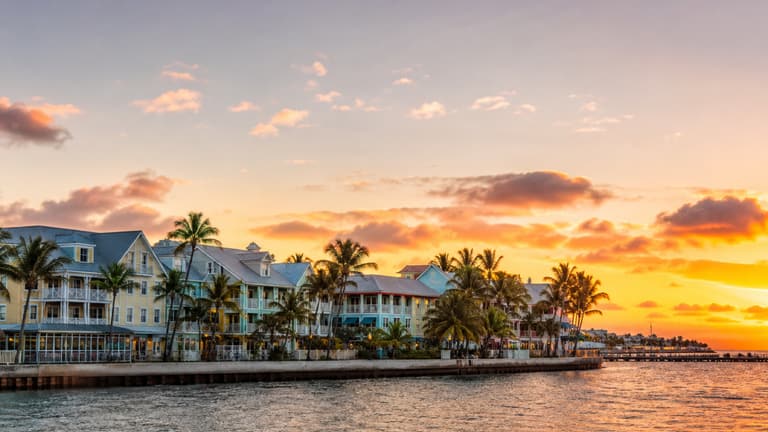
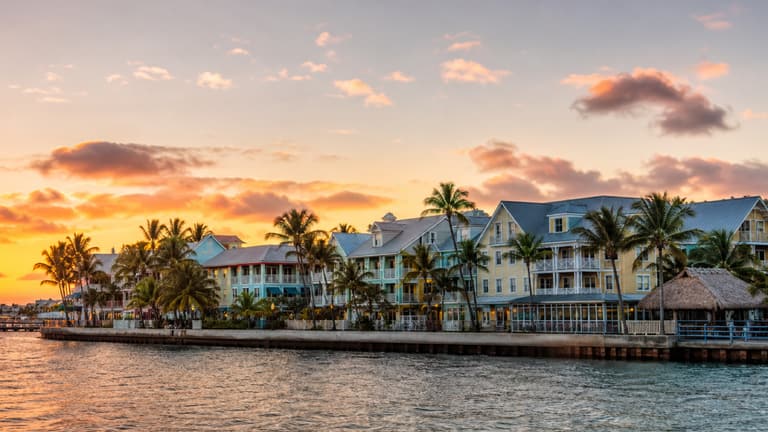
Key West is less about classic beach days and more about compact energy, bars, streets, and sunset ritual.
After-dark base strategy
Where you sleep in Key West shapes whether the island feels walkable and lively or a little more buffered and calm.
City-and-coast guide
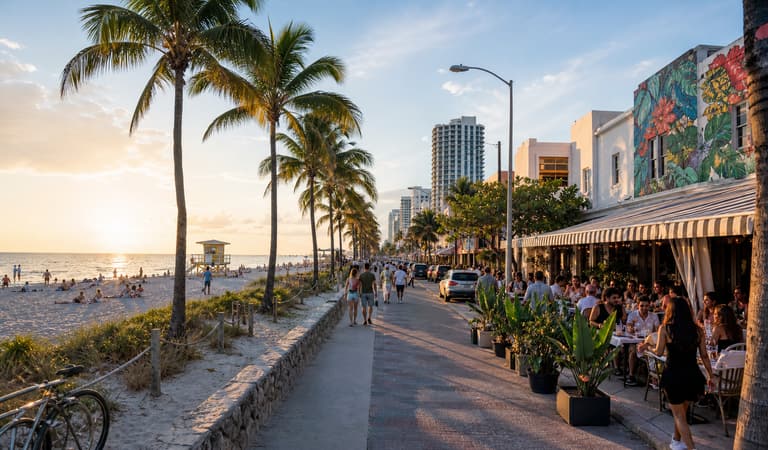
Miami gets clearer once you decide whether the beach should carry the trip or whether the city's neighborhoods, food, and design energy should do more of the work.
Area strategy
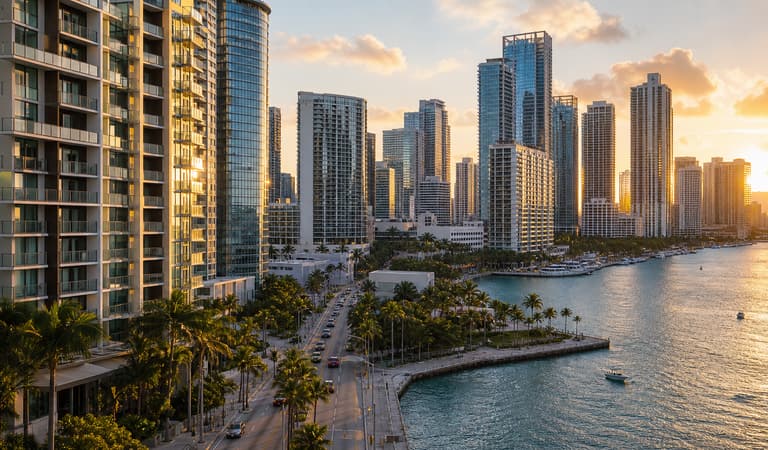
Miami gets much easier once one zone is allowed to shape the trip instead of every neighborhood competing equally.
Planning angle guide
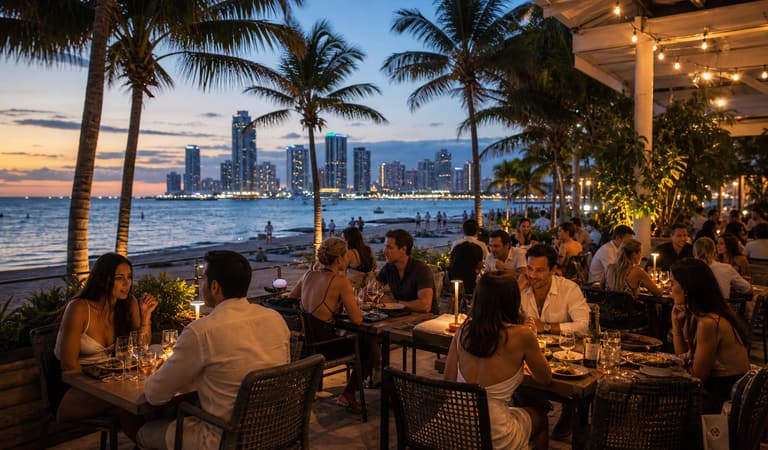
Miami can support several excellent vacations, but the trip gets better once you name which version you actually want.

Geography guide
Atlanta gets stronger when you cluster the trip by neighborhood energy rather than trying to cover the whole metro map.

Trip-fit guide
Atlanta supports several kinds of weekend, but it gets better once you stop blending all of them together.

Beyond-the-obvious guide
Austin works best when the trip makes room for both its social energy and its laid-back side.

Neighborhood strategy
Where you anchor yourself in Austin changes whether the trip feels more musical, food-heavy, outdoorsy, or casually social.

Couples planning
Savannah is one of the easiest cities to ruin by trying too hard. It works when the pace stays soft enough for mood to do its job.

Stay strategy
Where you stay in Savannah determines whether the city feels effortless and atmospheric or just mildly inconvenient.
Trip length guide
Dallas needs three days to feel like a city break rather than a sequence of rideshares, and four if museums, barbecue, and one slower neighborhood day all matter.

Geography guide
Dallas improves fast when each day belongs to one part of town and the itinerary stops making museum, barbecue, and dinner commute against one another.

Area strategy
The right Dallas base depends on whether history and museums, polished dinners, or neighborhood texture should do the most work on the stay.

Trip length guide
A practical guide to choosing two, three, or four days in Phoenix, with honest advice about desert timing, museum days, and what to leave out.

Trip length guide
A practical answer on two, three, or four days in Memphis, with room for Civil Rights history, music landmarks, barbecue, and a night that does not have to happen on Beale Street.

Stay strategy
The honest first-timer guide to Memphis hotel areas, including when downtown’s convenience wins, when Midtown gives you a better evening, and when Graceland should be the whole point.

First-time itinerary guide
A clear three-day Memphis plan that gives Civil Rights history, Sun, Stax, Graceland, barbecue, and live music the right amount of room, and refuses to flatten them into the same tourist checklist.