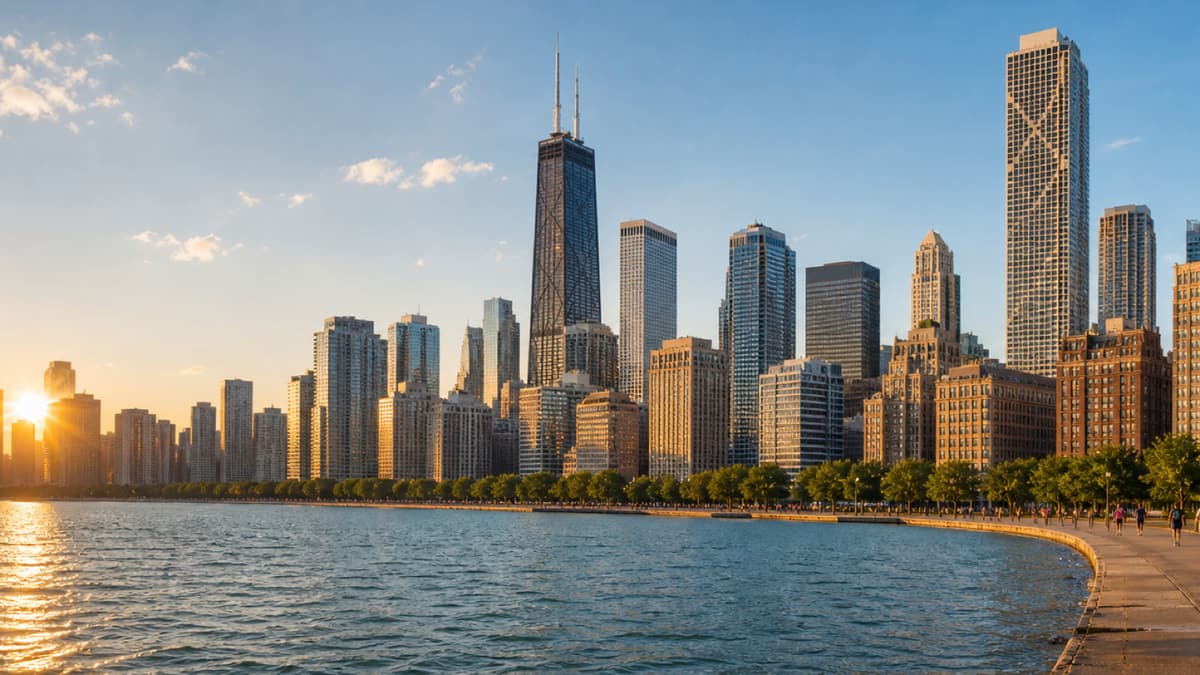
Chicago can feel architectural, neighborhood-rich, lakefront-easy, or restaurant-first depending on how you shape the stay.
Quick read
Key takeaways
- The best weekend in Chicago comes down to neighborhood feel more than attraction count.
- Let one part of the city set the tone instead of making every district compete for attention.
- Chicago shines when architecture, lakefront space, neighborhoods, and real meals all share the trip instead of competing with each other.
- When it clicks, Chicago feels big but legible, with enough structure to be fun and enough breathing room to stay comfortable.
Turn this read into a trip
Start planning Chicago
If this guide is pointing you toward Chicago, jump into the destination guide for itinerary ideas, stays, restaurants, and a faster next step.
Where to go next
Open the destination guides behind this guide.
Use the full destination pages when you are ready to move from advice into actual trip shaping.
Why neighborhood mood matters more than itinerary bragging rights
Chicago gets better once one priority is allowed to run the plan instead of competing with everything else. Chicago usually works better when one major sight shares the day with something slower and more local.
3 to 4 days is the range where Chicago stops feeling skimmed and starts feeling like a real stay. In cities like Chicago, the mood of the weekend matters more than how many landmarks fit on a map.
The Loop & Downtown and Lincoln Park should not feel interchangeable because they change the tone of the city day in completely different ways.
The option that needs the most explanation is often the one to cut. Here, that usually means cutting the plan that feels like homework with a skyline before you cut the plan that lets the city stop feeling crowded between anchors.
- Do not reduce Chicago to the serious sights. The plan that feels like homework with a skyline is usually the part to drop first.
Next step
Open the full Chicago destination guide
If this section is helping you narrow the trip, the destination guide is where you can compare stays, shape the itinerary, and turn the advice into an actual plan.
The fastest way to use this guide
Pick one main thing in Chicago and build around it. Chicago usually reads better when one major sight shares the whole stretch with something slower and more local.
If you are torn, give the prime hours to Architecture in Full, build the meal around Lou Malnati's, and let Lincoln Park stay optional unless the first part of the day still feels strong.
- This is strongest for travelers who want city breaks and food without a lot of friction.
- This disappoints if travelers who need nonstop intensity.
- Keep this intact. Chicago usually reads better when one major sight shares the plan with something slower and more local.
- A smart day shape is simple. Start with Architecture in Full, eat around Lou Malnati's, and only then decide whether Lincoln Park has earned the second move.
- Editor's call is simple. Keep the plan that lets the city keep some air between anchors. Cut the plan that feels like homework with a skyline first.
Quick city planner
In Chicago, let Architecture in Full take the lead, give Lou Malnati's the meal window, and resist adding more just because the map makes it look possible.
- The best first move is simple. Start with Architecture in Full.
- The best reset move is simple. Leave room for a real meal around Lou Malnati's.
- Do not force the second move if the first one already made the day.
- Watch for this first. The lakefront and neighborhoods get treated like filler around the big sights.
- A better reset is simple. Chicago usually works better when one major sight shares the plan with something slower and more local.
What shifts once the trip is actually happening
The Loop & Downtown, Lincoln Park, and Wicker Park do different jobs. Chicago gets cleaner once you stop asking all of them to share the same day evenly.
A better day gives Architecture in Full the prime hours, lets lunch or dinner revolve around Lou Malnati's and Girl & the Goat, and Chicago Riverwalk and Loop stays optional instead of mandatory.
The part people underestimate is usually this. The lakefront and neighborhoods get treated like filler around the big sights. Plan around that first, then let the rest follow. Chicago usually reads better when one major sight shares the plan with something slower and more local.
- If one stop gets the real block of time, let it be Architecture in Full.
- The Loop & Downtown and Lincoln Park both deserve attention, but usually not in the same rushed half-day.
- Fly into ORD and stay fairly central; this trip is easiest with walking, short rideshares, and only occasional transit or parking decisions
What the place asks from you in real life
Chicago starts feeling off when the lakefront and neighborhoods get treated like filler around the big sights. People do not usually see that coming when they book, but it changes how the trip feels.
A lot of first trips wobble for the same reason. People try to make every block feel important. A more useful local rule is Chicago usually reads better when one major sight shares the city day with something slower and more local.
A dinner neighborhood often tells you more about the city than a second museum does. The city improves fast once you stop trying to win the itinerary. Don't reduce Chicago to the serious sights.
- The first-timer mistake is people try to make every block feel important.
- Chicago usually comes together better when one major sight shares the whole stretch with something slower and more local.
- The city improves fast once you stop trying to win the itinerary.
- Do not reduce Chicago to the serious sights.
The mistake people regret fastest
The regret here is often realizing the lakefront and dinner neighborhoods got treated like filler. In Chicago, the faster test is whether you are building the plan that lets the city keep some air between anchors or the plan that feels like homework with a skyline.
Don't reduce Chicago to the serious sights. A good Chicago day usually wants one big thing and one neighborhood that lingers.
If a plan needs a long defense before you book it, it is probably the wrong plan here. The option that needs the most explanation is often the one to cut.
Here, that usually means cutting the plan that feels like homework with a skyline before you cut the plan that lets the city have room between anchors.
- The regret here is often realizing the lakefront and dinner neighborhoods got treated like filler.
- Skip the plan that feels like homework with a skyline.
- Keep the plan that lets the city keep some air between anchors at the center of the trip.
How to pick your city mood
The main choice is not landmark count. It is whether you want Chicago to feel polished and legible or looser and more neighborhood-led.
Once you choose that mood, the right neighborhoods, meals, and hotel strategy become much easier to see. Meals hit harder here when you build them around places like Lou Malnati's or Girl & the Goat instead of eating wherever the schedule collapses.
Don't ping-pong between The Loop & Downtown and Lincoln Park just because both look good on the map. Choose the lane that fits and let the rest fall back.
If you try to force Architecture in Full, The Loop & Downtown, and Lincoln Park into the same loose block, you will mostly remember the transitions.
That choice affects more than aesthetics. It shapes how much walking feels pleasant, whether dinner needs to be tightly scheduled, and how often you can let a good street or bar or waterfront stretch become the plan on its own.
The wrong fit here is usually travelers who need nonstop intensity. The Loop & Downtown and Lincoln Park should not feel interchangeable because they change the tone of the plan in completely different ways.
If you're torn, take the option that reduces second-guessing later in the whole stretch. That usually means keeping the plan that lets the city have room between anchors at the center. You can usually tell by late afternoon whether the plan was honest.
The payoff of choosing a mood on purpose
The weekend feels more coherent, and the city starts reinforcing itself instead of competing with itself.
May to October is the cleanest window for getting Chicago in the form people actually picture when they book it.
How to build a day around the neighborhood
Once you know the part of the city that fits you, let it do more work. The best version of this kind of weekend often has one anchor sight, one meal you care about, and then enough unclaimed time for the neighborhood itself to become the memory.
Meals hit harder here when you build them around places like Lou Malnati's or Girl & the Goat instead of eating wherever the schedule collapses.
That is also why repeat visitors enjoy these cities more than first-timers who try to prove they covered enough ground. The Loop & Downtown and Lincoln Park should not feel interchangeable because they change the tone of the whole stretch in completely different ways.
- Visit your chosen neighborhood at the time of day that best suits it, not only when it is geographically convenient.
- Don't ping-pong between The Loop & Downtown and Lincoln Park just because both look good on the map. Pick the side that fits the city day and let it lead.
- Pick a hotel and dinner plan that let you come back to the same area after a midday detour if you want to.
What repeat visitors figure out faster
Chicago gets more enjoyable once you stop trying to prove how much of it you covered.
A surprising amount of trip frustration traces back to treating Chicago like a museum list rather than a city with strong neighborhood rhythm.
- Skip packing every day with major sights and leaving no room for the lakefront or a real district run. If it pulls the trip off center.
- If you upgrade one thing, make it spending on the hotel or meal that makes one Chicago evening feel memorable instead of merely full.
- The best base makes both lakefront movement and dinner neighborhoods easy to fold into the same stay.
What to skip, what is overrated, and what is worth planning ahead
Chicago often disappoints for the same reason. The broad itinerary sounds stronger than the plan itself feels.
Most of the improvement comes from trimming what does not support the real reason you picked Chicago.
- Skip packing every day with major sights and leaving no room for the lakefront or a real district run.
- Packing every day with major sights and leaving no room for the lakefront or a real walkable neighborhood block.
- If you book one thing early, make it the hotel or meal that makes one Chicago evening feel memorable instead of merely full.
- Leave room for the block that should absorb mood, weather, recovery, or the better-than-expected neighborhood moment.
- For a first night, one easy arrival move that reinforces the city's rhythm instead of testing your stamina.
Keep planning
Read How to Plan Chicago if Weather Changes the Day
This guide pairs well with the section you just read and gives you another concrete next step instead of leaving the planning half-finished.
What people usually get wrong
The most common mistake is trying to make every good idea fit into the same trip. That usually produces a version of Chicago that is busier, flatter, and less personal than it needs to be.
The better trip usually comes from choosing what deserves real emphasis and letting the rest support it instead of compete with it.
- Don't turn optional ideas into obligations just because they look good on a list.
- Let one clear priority shape the best hours of the plan.
- If the itinerary starts reading like proof of effort, simplify it.