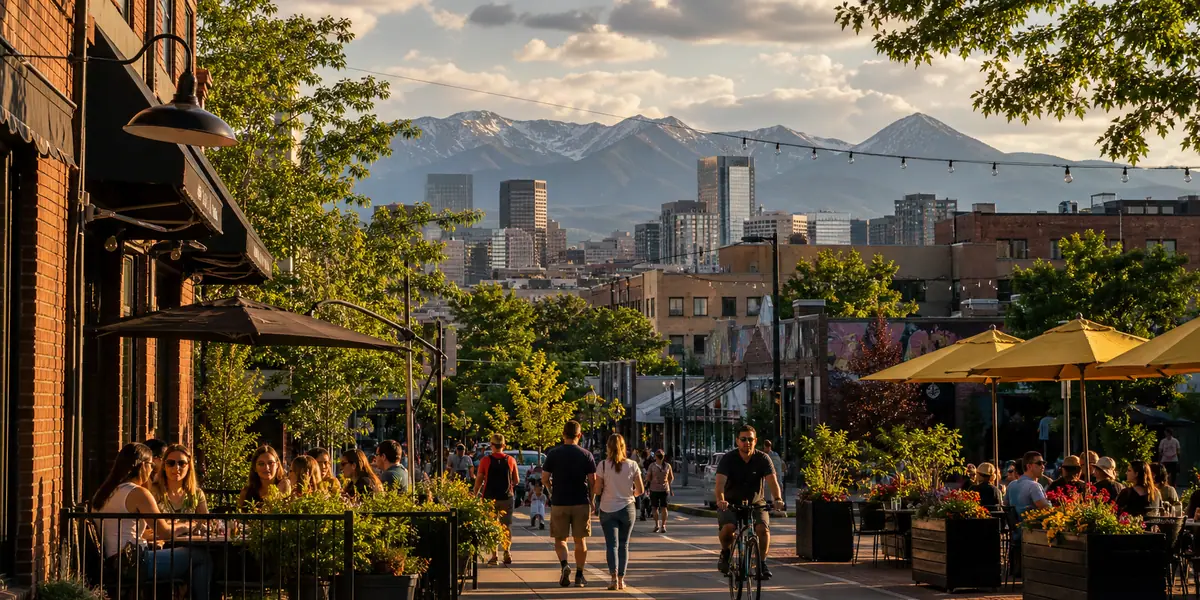
Denver gets much better when the city itself is allowed to carry the trip instead of being treated only as a launchpad.
Quick read
Key takeaways
- Denver holds up best when history stays part of the setting, not the whole burden of the itinerary.
- The planning mistake is treating Denver like a nonstop launchpad for the Rockies and shortchanging the city that makes the stay actually enjoyable.
- A little atmosphere, food, and neighborhood texture makes the city much easier to love.
- When it clicks, Denver feels sunny, creative, and unusually easy to shape for a city that sits this close to bigger scenery.
Turn this read into a trip
Start planning Denver
If this guide is pointing you toward Denver, jump into the destination guide for itinerary ideas, stays, restaurants, and a faster next step.
Plan with fewer surprises
Practical notes from the related destination guide
Use these guide details to shape the trip, then confirm operational information with the linked official source before you go.
Denver
Typical stay: 3 to 4 days · Getting around: mixed
- Hydrate early and keep day one a little lighter if you are arriving from sea level.
- Book Red Rocks events, ballpark tours, or other timed entries before your visit starts shaping around them by accident.
Guide note: DEN is farther from downtown than first-time visitors often expect, but the A Line to Union Station makes a central Denver stay unusually easy if you build your visit around LoDo, RiNo, Civic Center, and short rideshares.
Official Wings Over the Rockies Air & Space Museum informationOpen the Denver guideWhere to go next
Open the destination guides behind this guide.
Use the full destination pages when you are ready to move from advice into actual trip shaping.

Why this kind of trip can go wrong
Denver is easier when one part of the trip leads. Denver is strongest when one bigger scenic move supports the stay instead of swallowing it.
The planning mistake is treating Denver like a nonstop launchpad for the Rockies and shortchanging the city that makes the stay actually enjoyable. 3 to 4 days is the range where Denver stops feeling skimmed and starts feeling like a real stay.
The problem is not history itself. It is building the stay in a way that makes history feel like a task instead of a setting.
The option that needs the most explanation is often the one to cut. Here, the version where Denver still gets to be the stay should survive the edit before the plan that treats Denver as staging ground only does.
- Do not let the mountains erase the city. I would keep the version where Denver still gets to be the stay and cut the plan that treats Denver as staging ground only first.
The fastest way to use this guide
Pick one main thing in Denver and build around it. Denver does best when one bigger scenic move supports the stay instead of swallowing it.
If you are torn, give the prime hours to Gardens and City Park Morning, build the meal around Snooze an A.M. Eatery, and let Denver Biscuit Company stay optional unless the first part of the day still feels strong.
- Best for travelers who want city breaks and food without a lot of friction.
- Wrong for travelers who want every hour turned all the way up.
- Protect this first. Denver does best when one bigger scenic move supports the stay instead of swallowing it.
- A smart day shape is simple. Start with Gardens and City Park Morning, eat around Snooze an A.M. Eatery, and only then decide whether Denver Biscuit Company has earned the second move.
- Editor's call is simple. Keep the version where Denver still gets to be the stay. Cut the plan that treats Denver as staging ground only first.
Quick zone planner
The cleanest version of Denver comes from giving Gardens and City Park Morning the best block, Snooze an A.M. Eatery the useful meal slot, and the rest of the day permission to stop there.
- The best first move is simple. Start with Gardens and City Park Morning.
- The best reset move is simple. Leave room for a real meal around Snooze an A.M. Eatery.
- Do not force the second move if the first one already made the day.
- Watch for this first. The city keeps being treated like filler around mountain ambition.
- A better reset is simple. Denver holds up best when one bigger scenic move supports the stay instead of swallowing it.
What actually changes once you are there
Gardens and City Park Morning and RiNo Murals and Galleries stop being fun when they get jammed into the same tight window.
If you are deciding what deserves real time, start with Gardens and City Park Morning. Build the meal around Snooze an A.M. Eatery and Denver Biscuit Company, then treat RiNo Murals and Galleries as the bonus, not the obligation.
Where people get tripped up is practical, not romantic. The city keeps being treated like filler around mountain ambition. The more reliable habit is Denver comes off best when one bigger scenic move supports the stay instead of swallowing it.
- Do not shrink Gardens and City Park Morning into a quick checkbox if it is one of the main reasons you came.
- Hydrate early and keep day one a little lighter if you are arriving from sea level
- DEN is farther from downtown than first-time visitors often expect, but the A Line to Union Station makes a central Denver stay unusually easy if you build your visit around LoDo, RiNo, Civic Center, and short rideshares
What starts mattering once the trip is real
A lot of the stay quality gets decided when the city keeps being treated like filler around mountain ambition. That detail is easy to miss while booking and hard to ignore once you are there.
A common first-timer regret is that people promise themselves too much scenery for a short stay and under-book the actual city. The day works better if you remember this instead. Denver is strongest when one bigger scenic move supports the stay instead of swallowing it.
A good Denver base makes dinner and one useful walk easy even on the tired day. The city becomes more rewarding once it is allowed to be the stay, not the launchpad. Don't let the mountains erase the city.
- The first-timer mistake is people promise themselves too much scenery for a short stay and under-book the actual city.
- Denver comes off best when one bigger scenic move supports the stay instead of swallowing it.
- The city becomes more rewarding once it is allowed to be the stay, not the launchpad.
- Do not let the mountains erase the city.
The mistake people regret fastest
People regret promising themselves Colorado-scale scenery on city-trip time. Ask yourself if you are planning the version where Denver still gets to be the stay or the plan that treats Denver as staging ground only.
Do not let the mountains erase the city. One scenic move should support the stay, not swallow it.
If you have to keep talking yourself into a version of it, it is rarely the keeper. The option that needs the most explanation is often the one to cut.
Here, the version where Denver still gets to be the stay should survive the edit before the plan that treats Denver as staging ground only does.
- People regret promising themselves Colorado-scale scenery on city-trip time.
- Skip the plan that treats Denver as staging ground only.
- Keep the version where Denver still gets to be the stay at the center of the stay.
How to make the place feel lived in
A better version of Denver lets one or two anchor sites matter, but it also leaves room for walking, food, side streets, and the atmospheric parts of Denver that make the story feel human.
That shift changes the whole mood of the weekend.
A smarter Philadelphia-style day starts with one anchor, then loosens. Once the city has shown you one museum, market, or historic corridor, let the next decision come from appetite or neighborhood curiosity rather than obligation.
If you're torn, take the option that reduces second-guessing later in the day. That means keeping the version where Denver still gets to be the stay at the center. This is where Denver stops sounding good and starts being good, or not.
What the fresher version delivers
You still get the value of the place, but the stay starts feeling like a getaway with character instead of a worthy obligation.
April to June and September to October is the cleanest window for getting Denver in the form people actually picture when they book it.
What keeps the city feeling like a real getaway
The trick is giving yourself permission to stop proving that you learned enough. One thoughtful museum, one market or neighborhood stretch, and one dinner you are genuinely looking forward to will do more for the stay than stacking every famous site in sequence.
First-time visitors are often surprised by how much more enjoyable the city becomes once atmosphere, snacks, and conversation are allowed to share the spotlight with the official history.
- Treat one signature sight as the anchor, not the whole personality of the day.
- Use walking neighborhoods to transition between the serious parts and the fun parts of the stay.
- A shorter, more varied day is often better here than a longer, more dutiful one.
What repeat visitors figure out faster
Denver comes off best when one bigger scenic move supports the city instead of replacing it.
A lot of weaker first drafts start with treating Denver only as a launchpad and shortchanging the city itself.
- Skip promising yourself mountain-style range on a short city trip and spending too much of it commuting. If it pulls the stay off center.
- If you upgrade one thing, make it paying for the better city base, concert, or dinner that makes Denver feel like the stay, not the staging area.
- If city time is constantly being sacrificed to reach bigger scenery, the plan is off.
What to skip, what is overrated, and what is worth planning ahead
A lot of people book a version of Denver that sounds full and still feels strangely thin in real life.
The stronger move is to cut the pieces that do not support the reason you picked Denver in the first place.
- Skip promising yourself mountain-style range on a short city trip and spending too much of it commuting.
- Promising yourself mountain-style range on a short city trip and spending too much of it commuting.
- If you book one thing early, make it the better city base, concert, or dinner that makes Denver feel like the stay, not the staging area.
- Leave room for the block that should absorb mood, weather, recovery, or the better-than-expected neighborhood moment.
- For a first night, one easy arrival move that reinforces the city's rhythm instead of testing your stamina.
Keep planning
Read How Many Days Do You Need in Denver?
This guide pairs well with the section you just read and gives you another concrete next step instead of leaving the planning half-finished.
Open related guideWhat people get wrong
The most common mistake is trying to make every good idea fit into the same trip. That produces a version of Denver that is busier, flatter, and less personal than it needs to be.
The better trip comes from choosing what deserves real emphasis and letting the rest support it instead of compete with it.
- Do not turn optional ideas into obligations just because they look good on a list.
- Let one clear priority shape the best hours of the day.
- If the itinerary starts reading like proof of effort, simplify it.